Understanding the Basics of Sheet Metal Bending
Sheet metal bending is a fundamental process in custom sheet metal fabrication and precision work. It transforms flat sheets into three-dimensional components used across industries such as automotive, aerospace, and construction. This technique involves folding or creasing metal to create angles or curves according to specific requirements.
-
Sheet metals are characterized by their thickness (measured in gauge), which determines their strength and flexibility. Common materials include aluminum, steel, and copper, each with unique properties:
-
Aluminum: Lightweight, corrosion-resistant, easy to form but less strong than steel.
-
Steel: Strong, durable, and available in various grades (e.g., 304 stainless), making it ideal for high-stress applications.
-
Copper: Highly conductive, malleable, and resistant to corrosion, often used in electrical components.
Advanced Bending Techniques
Mastery of advanced methods is essential for achieving complex geometries. Two prominent techniques are press brake forming and rotary draw bending.
-
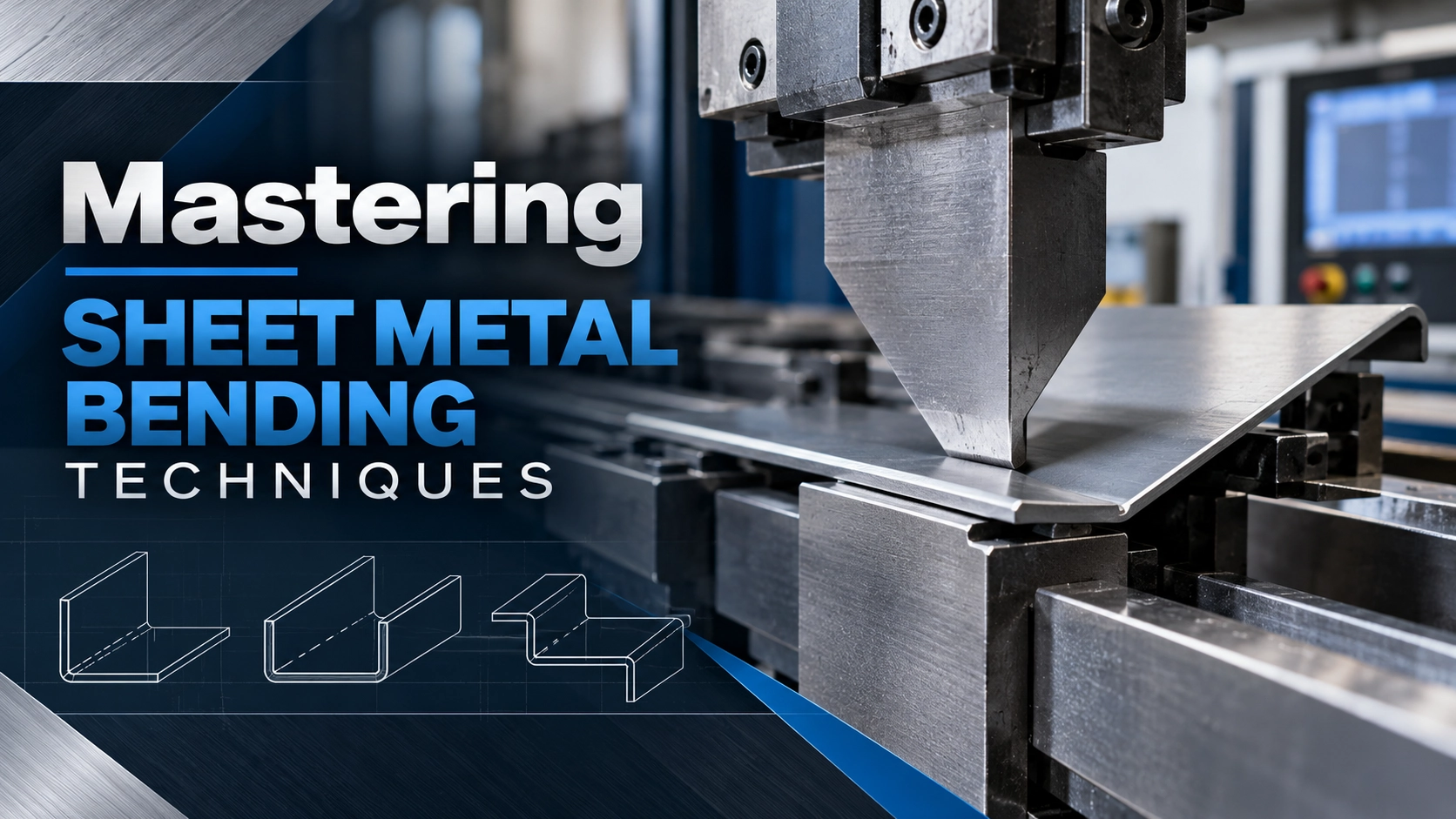
The press brake process involves clamping a sheet of metal between a punch and a die, creating precise bends by forcing the material into the desired shape. This method is highly accurate but limited in complexity, suitable for simple to moderately complex parts with consistent angles.
-
Rotary draw bending, on the other hand, uses a rotating punch and a die to form more intricate shapes, such as U-shapes or C-sections. This technique is particularly useful in automotive components where precise curvature is required without compromising structural integrity.
Optimizing Your Bends with Technology
Incorporating modern technology can significantly enhance the efficiency and accuracy of sheet metal bending operations. Digital tools and software streamline the design process, while automation increases throughput and reduces errors.
-
Digital Tools and Software: Utilizing CAD (Computer-Aided Design) software allows for precise modeling and simulation before physical production. This ensures that designs meet specifications accurately and minimize material waste. For instance, using AutoCAD or SolidWorks can help in creating detailed 3D models with controlled tolerances down to ±0.1mm.
-
Automation: Implementing automated systems like robotic press brakes not only speeds up production but also ensures consistency and reduces human error. These machines can cycle through multiple bends quickly, reducing setup times and increasing overall productivity by 25-30% compared to manual operations.
Selecting the Right Partner for Sheet Metal Bending
Choosing a reliable fabrication partner is crucial for successful sheet metal bending projects. Here are key factors to consider:
-
Technical Expertise: Look for companies with extensive experience in your specific industry and materials. For example, Blackstone Advanced Technologies specializes in custom aluminum and steel parts, ensuring that every project meets the highest standards.
-
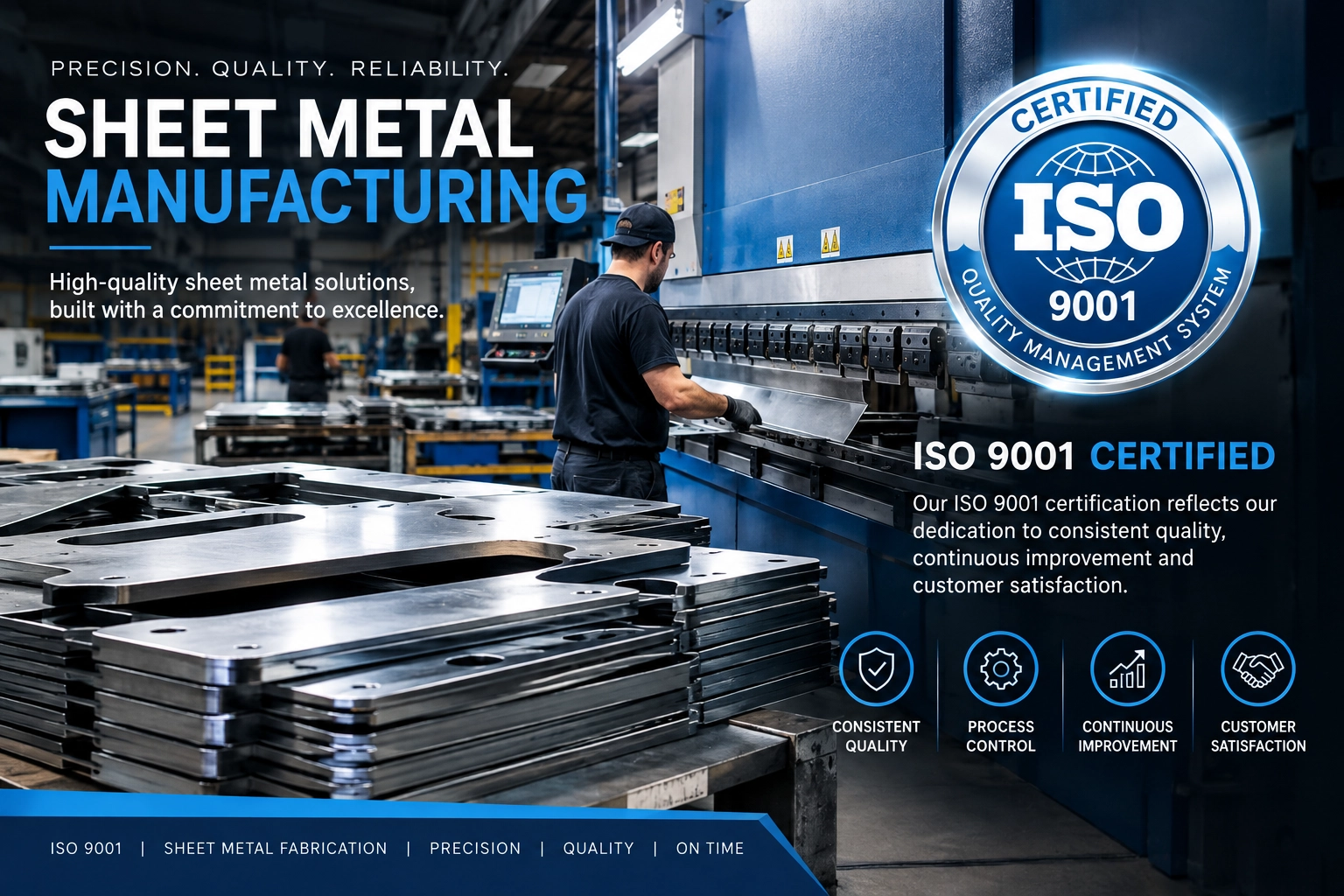
Certifications and Standards Compliance: Ensure the partner adheres to relevant industry standards (e.g., ASME, ISO) to guarantee quality and safety. This is especially important for critical components like those used in medical devices or aircraft parts.
-
Customer Support: A responsive team that can provide real-time updates on project status and address any issues promptly will be invaluable during the production cycle.
-
Evaluation of Press Brake Services Providers: When assessing a provider, consider factors such as their machine capabilities (e.g., tonnage), material handling systems, and post-processing options. A comprehensive service package that includes setup, programming, and finishing can make all the difference in meeting project deadlines.
Contact Blackstone Advanced Technologies today to explore how our advanced sheet metal bending solutions can help you bring your projects to life with precision and efficiency!
Discover more from Blackstone Advanced Technologies, LLC
Subscribe to get the latest posts sent to your email.