The Heart of Your Shop: Essential Equipment for Sheet Metal Shops
To thrive in the sheet metal fabrication industry, having the right tools is crucial. CNC machines form the backbone of modern shops, offering precision and efficiency over traditional methods. Whether working with metals like stainless steel or aluminum, these machines handle a wide range of projects.
-
Precision Cutting with Lasers and Waterjets vs. Traditional Oxy-Fuel Cutting:
-
Lasers provide non-contact precision cutting, capable of producing clean cuts even on thin materials such as 0.032-inch stainless steel. They offer minimal heat-affected zones (HAZ) and can cut complex shapes with high repeatability. In contrast, oxy-fuel cutting uses a flame to burn through metal, which can be slower and may cause significant HAZ, making it less suitable for thinner materials or intricate designs.
-
Waterjets also offer non-contact precision, capable of cutting through even abrasive materials like granite without any heat-affected zones. However, their speed is generally slower than lasers, especially on thicker metals. Waterjet cutting is ideal for projects requiring very clean cuts and where thermal distortion needs to be minimized.
-
CNC Plasma Cutters: Advantages in Speed, Accuracy, and Material Thickness:
-
For most sheet metal shops, CNC plasma cutters strike a balance between speed and accuracy. They can handle materials up to 0.25 inches thick with excellent precision, making them versatile for both prototyping and production runs. A modern CNC plasma cutter like the Makino P-300 can process a 1/4-inch steel plate in less than two minutes, significantly faster than oxy-fuel cutting methods.
Versatile Machinery for Forming & Bending
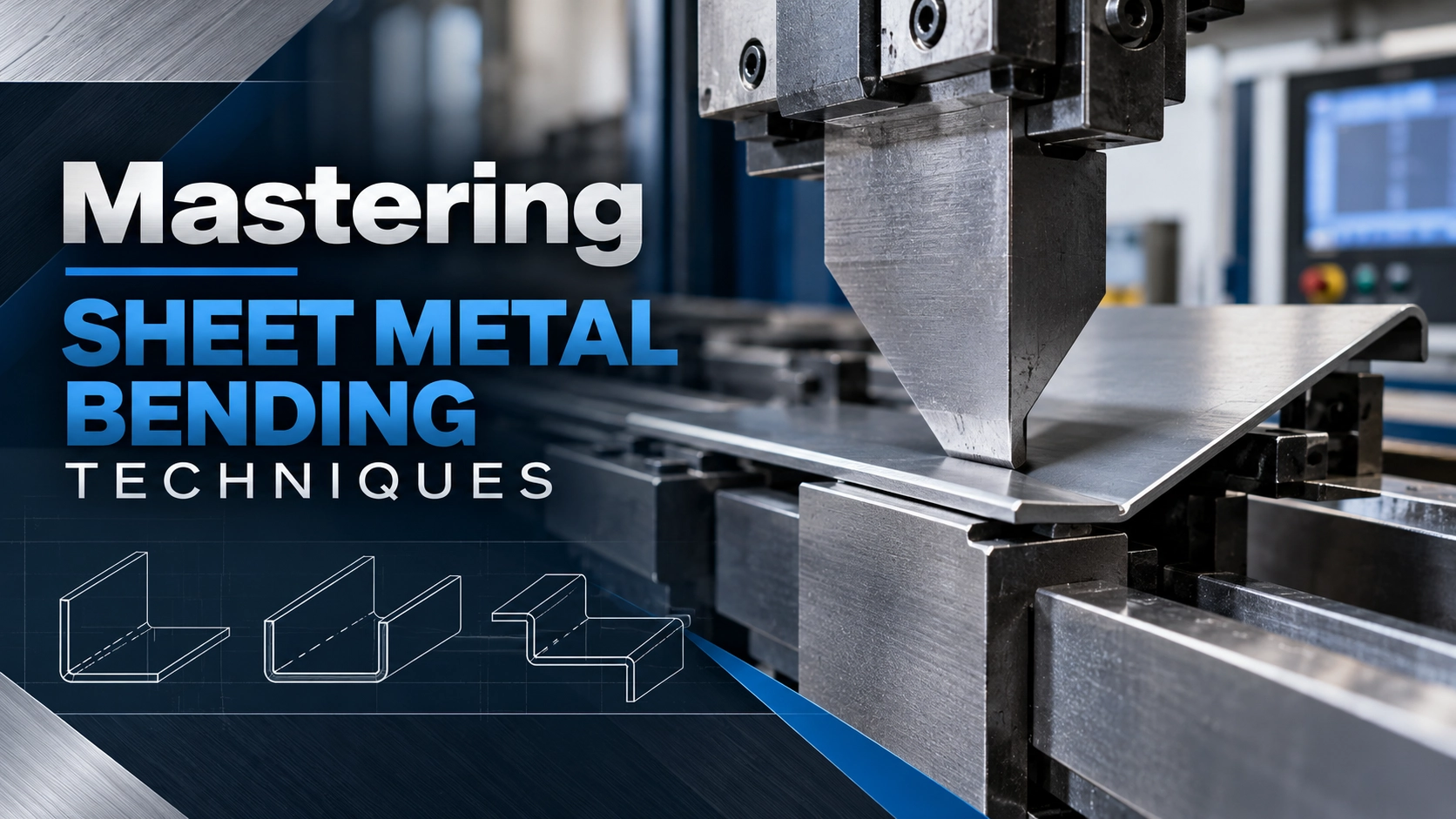
Forming and bending are crucial stages in sheet metal fabrication. The choice of machinery can greatly impact productivity and the quality of your final product. Here’s why multi-form bending machines and hydraulic or mechanical press brakes are indispensable tools.
-
Importance of Multi-Form Bending Machines for Quick Prototyping:
-
Multi-form bending machines perform multiple bending operations in a single setup, reducing the need for repositioning and alignment. This is particularly advantageous during prototyping when you need to quickly test different design iterations. For example, if working on an aerospace project requiring 90-degree bends with minimal springback, a multi-form bender like the Trumpf MB 4200 can save significant time by allowing multiple bending steps in one setup.
-
Benefits of Hydraulic or Mechanical Press Brakes Over Manual Ones:
-
Hydraulic press brakes offer better control and repeatability, making them ideal for complex forming operations. They can handle a wide range of materials from 0.032 inches to 0.5 inches thick with precise tolerances (±0.005 inch). In contrast, mechanical press brakes are generally less expensive but may require more frequent adjustment and have lower accuracy compared to their hydraulic counterparts.
Automation: The Future is Now
Automation has revolutionized the sheet metal industry by significantly increasing productivity while reducing labor costs. Robotic arms and automated feeding systems are particularly transformative, offering a range of benefits that can make your shop more competitive in today’s market.
-
Why Robotic Arms and Automated Feeding Systems Are Essential:
-
Robotic arms can perform complex tasks with high precision and speed, reducing the need for skilled labor. For example, a KUKA KR 16 robot can handle up to 20 kg of payload and has a reach of over 3 meters, making it suitable for large-scale projects requiring repetitive tasks like welding or finishing.
-
Automated feeding systems streamline the loading process, ensuring consistent material flow and reducing downtime. A typical automated feeding system can increase throughput by up to 40% compared to manual feeding methods. For instance, the TRUMPF AutoLoader system can cycle through multiple sheets in just a few seconds, dramatically improving efficiency.
-
Energy Efficiency Considerations When Choosing Between Electric, Pneumatic, or Hydraulic Machinery:
-
Electric machinery is generally more energy-efficient and environmentally friendly. For example, an electric press brake can consume up to 50% less energy than a pneumatic one while offering similar performance. However, the initial cost of electric systems may be higher. Pneumatic systems are often cheaper upfront but may have higher operational costs due to compressed air consumption.
Conclusion & Next Steps
Evaluating essential equipment for your sheet metal shop is a critical step in optimizing operations. By investing in high-quality CNC machines, versatile forming and bending tools, and state-of-the-art automation systems, you can significantly enhance productivity and reduce costs. It’s important to work with vendors who offer top-notch service and support to ensure smooth integration into existing processes.
At Blackstone Advanced Technologies, we specialize in providing the best equipment for custom sheet metal fabrication. We pride ourselves on offering a range of solutions that cater to diverse needs—from small workshops to large-scale production facilities. Contact us today for a consultation to see how our advanced machinery can transform your operations and take them to the next level.
Discover more from Blackstone Advanced Technologies, LLC
Subscribe to get the latest posts sent to your email.