CNC Sheet Metal Fabrication: Precision and Innovation
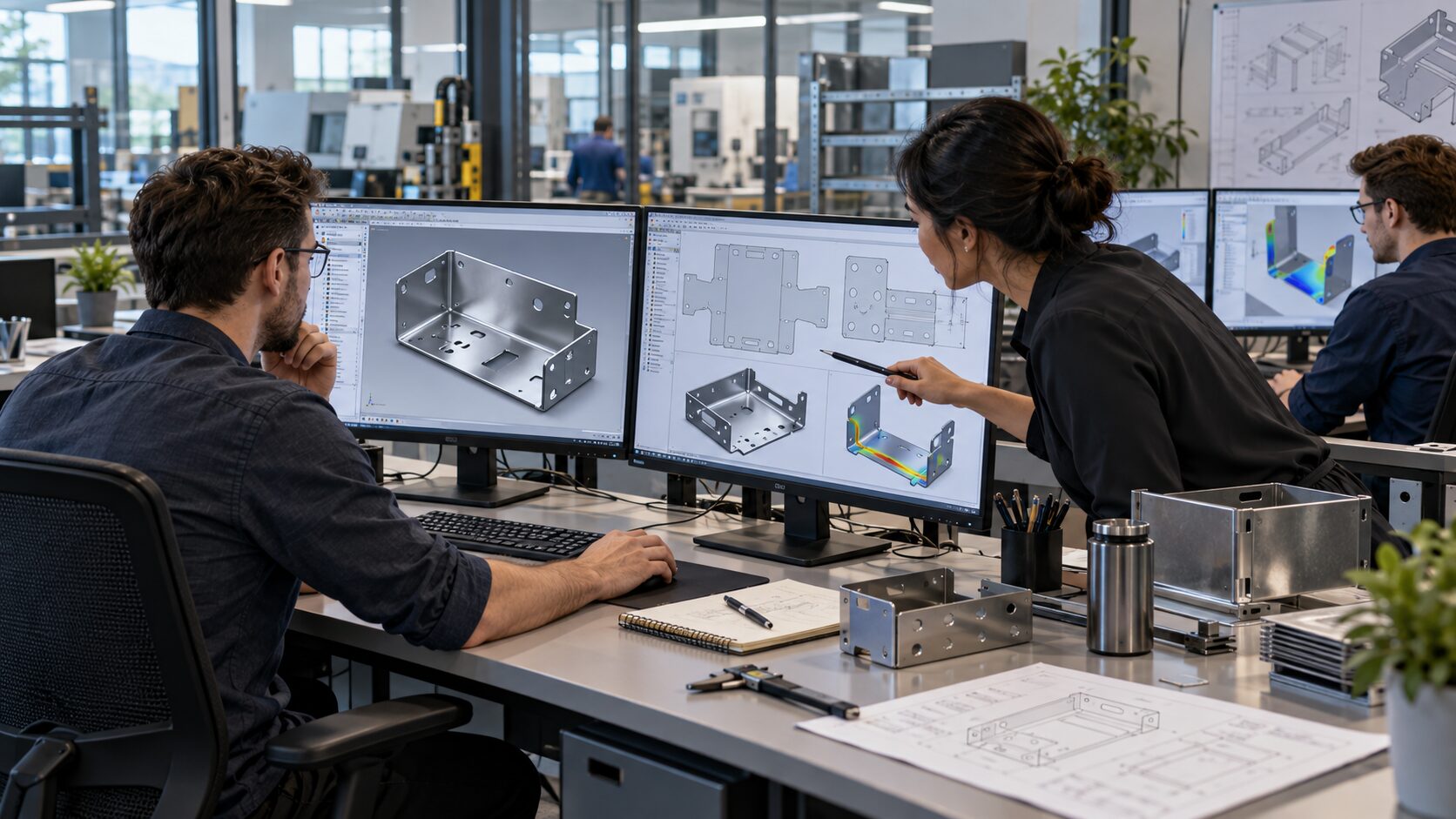
In today’s engineering landscape, precision is paramount. From automotive components to aerospace structures, every part must meet stringent standards for performance and safety. Advanced CNC sheet metal fabrication techniques are essential in transforming ordinary metal sheets into intricate, high-performance parts.
- These cutting-edge methods have evolved significantly from manual processes, now leveraging automation and technology for unparalleled accuracy and efficiency.
- From Computer Numerical Control (CNC) machining to stamping and forming, each technique plays a crucial role in the manufacturing ecosystem, enabling the creation of components that meet exacting specifications with minimal waste.
The Role of CNC in Precision Fabrication
At the heart of many advanced fabrication processes lies Computer Numerical Control (CNC) technology. This method uses digital instructions to control machine tools for precise and repeatable results, crucial for aerospace-grade components.
- What is CNC?
CNC stands for Computer Numerical Control. In this process, a computer program controls the movement of cutting or forming tools to precisely cut or shape metal sheets into complex parts. - Benefits of CNC Fabrication:
The benefits include high precision and repeatability essential when manufacturing components that must meet exacting standards. Additionally, it enables intricate geometries that might be challenging or impossible with manual methods.
A component requiring a tolerance of 0.01mm can easily be produced by a CNC machine within this tight margin, ensuring consistency and minimizing errors. This level of precision is critical in industries where even minor deviations could impact the overall performance or safety of the final product.
Stamping for High-Volume Production
While CNC machining excels in producing custom parts with intricate details, stamping offers a cost-effective solution for high-volume manufacturing. This process involves using dies to shape metal sheets into desired forms through operations such as blanking, flanging, bending, and drawing.
- Blanking:
This initial step cuts out specific parts from larger sheets of metal, leaving behind waste material. It’s essential for producing uniform components in size and shape. - Flanging:
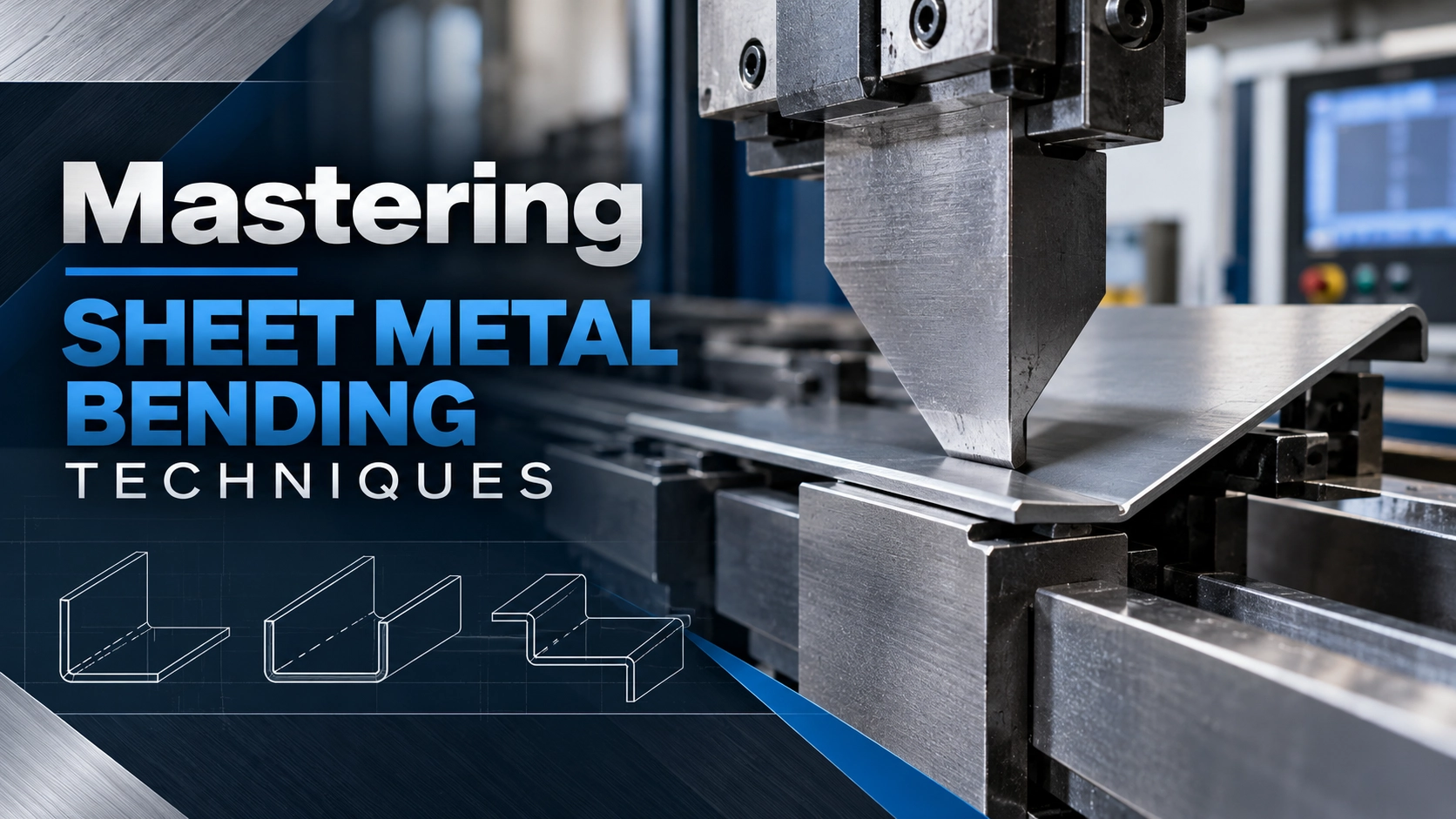
Involves bending the edges of stamped parts to create lips or flanges, useful for sealing applications requiring a tight fit. - Bending and Drawing:
These processes shape metal sheets into three-dimensional forms by applying pressure through dies. They are effective in creating parts with complex contours, such as brackets, covers, or enclosures.
The efficiency of stamping comes from its ability to produce large quantities quickly at a lower cost compared to CNC machining. For instance, 10,000 identical components can be produced faster and more economically than manually cutting each piece.
Forming Innovations in Sheet Metal Work
In addition to CNC machining and stamping, sheet metal forming techniques such as deep drawing, spinning, and hydroforming offer unique capabilities for creating complex geometries. These methods push the boundaries of traditional fabrication processes.
- Deep Drawing:
This process involves pressing a sheet between a punch and die to create hollow parts or containers with high wall thickness ratios. For example, deep drawing can produce cylindrical cups up to 15 times their diameter, ideal for fuel tanks or storage vessels. - Spinning:
Involves rotating a circular sheet of metal between a die and an abrasive wheel to shape the material into a desired form. Spinning is useful for creating smooth surfaces and precise diameters, such as cylinder heads in automotive applications. - Hydroforming:
This technique uses hydraulic pressure to deform a blank into a die cavity, resulting in parts with complex shapes and high strength-to-weight ratios. Hydroforming is often used for making structural components like engine cradles or chassis frames due to its ability to create seamless joints without welding.
A practical example of hydroforming’s benefits can be seen in the production of an automotive bumper reinforcement bracket. By using hydroforming, Blackstone Advanced Technologies achieved a part with 30% greater strength compared to traditional stamping processes while reducing material waste by up to 50%. This enhances vehicle safety and improves fuel efficiency through lighter weight.
Conclusion
The evolution of sheet metal fabrication techniques has transformed the design and manufacturing process. From the precision of CNC machining to the efficiency of stamping and the innovation of forming processes, each method brings unique advantages. By leveraging these advanced technologies, Blackstone Advanced Technologies ensures top-quality parts tailored to specific needs.
Whether you require custom components for aerospace applications or high-volume production parts for automotive or industrial use, Blackstone Advanced Technologies is equipped with the expertise and resources to deliver exceptional results. Contact us today for a quote on your next project. Together, let’s harness the power of advanced sheet metal fabrication.
Discover more from Blackstone Advanced Technologies, LLC
Subscribe to get the latest posts sent to your email.